
How to Start a Keto Diet and Succeed in 2025?
The ketogenic diet has gained significant popularity in recent years as a highly effective way to lose weight and improve overall health. This high-fat, low-carb eating plan works by putting your body into a metabolic state called ketosis, where it burns fat for energy instead of relying on glucose from carbohydrates. Whether you’re looking to shed pounds, boost energy levels, or optimize your overall well-being, the keto diet could be the perfect solution to help you achieve your goals in 2025 and beyond.
Starting a keto diet requires careful planning and a solid understanding of the key principles behind this low-carb, high-fat lifestyle. From setting realistic weight loss objectives to mastering the art of meal prepping and keto-friendly recipes, this comprehensive guide will equip you with the knowledge and tools you need to embark on a successful ketogenic journey. Discover the secrets to fat-burning meal plans, overcome common keto challenges, and learn from the inspiring real-life transformations of those who have already found success on the ketogenic diet. Get ready to unlock your full potential and achieve the healthy, vibrant life you’ve been craving.
Understanding the Keto Diet
The ketogenic lifestyle is a popular and effective way to achieve weight loss and improve overall metabolic health. At its core, the keto diet is a low-carb, high-fat eating plan that aims to shift the body’s primary fuel source from glucose to ketone bodies. This metabolic state, known as ketosis, occurs when the body burns fat for energy instead of carbohydrates.
What is the Keto Diet?
The keto diet typically reduces total carbohydrate intake to less than 50 grams per day, with some individuals even limiting it to as low as 20 grams. This drastic reduction in carbs forces the body to enter a state of ketosis, where it begins to break down fat and produce ketone bodies to use as its primary energy source.
Key Principles of Keto
The key principles of the ketogenic diet include a high fat intake, moderate protein consumption, and very low carbohydrate intake. Experts suggest an average macronutrient ratio of 70-80% healthy fats, 5-10% carbohydrates, and 10-20% protein. This macronutrient balance is crucial for maintaining a state of ketosis and leveraging the benefits of the ketogenic lifestyle.
Health Benefits of Keto
The ketogenic diet has been shown to produce a range of health benefits, including weight loss, improved insulin sensitivity, and potential neuroprotective effects. By transitioning the body into a state of ketosis, the diet can lead to the burning of ketone bodies for energy, resulting in rapid fat loss and enhanced metabolic health. However, it’s important to note that excessive ketone bodies can also lead to potential side effects, such as ketoacidosis, which requires close medical monitoring.
Getting Started with Your Keto Diet Plan
Embarking on a Keto Diet Plan can be an exciting and transformative journey towards improved healthy weight management. The first step is to set realistic goals based on your individual needs and preferences. Determine your macronutrient targets, aiming for around 70-75% fats, 20% proteins, and 5-10% nutrient-dense foods like leafy greens, avocados, and nuts.
Choosing the Right Foods
When starting your Keto Diet Plan, focus on incorporating a variety of low-carb, high-fat options. Opt for foods like fatty fish, eggs, cheese, and healthy oils to ensure you’re meeting your nutrient requirements. Steer clear of processed and high-carb foods that can kick you out of ketosis.
Planning Your Meals
Meal planning is crucial for success on the Keto Diet Plan. Take time to map out your meals in advance, ensuring you’re hitting your macronutrient targets and avoiding temptation. Consider using a dedicated keto meal delivery service, like Factor, to simplify the process and provide balanced, low-carb options.
Remember, transitioning to a keto lifestyle takes time and patience. Gradually reduce your carb intake to minimize potential side effects, such as the “keto flu.” Stay hydrated, and consider supplementing with electrolytes to ease the adjustment period. With proper planning and dedication, you’ll be on your way to achieving your healthy weight management goals on the Keto Diet Plan.
Essential Ingredients for Keto Recipes
To succeed on a Low-Carb Recipes diet, focusing on nutrient-dense, high-fat foods is crucial. These essential ingredients form the foundation of delicious and satisfying keto meals. Let’s explore the key components that should be at the heart of your Keto Diet plan.
Low-Carb Vegetables
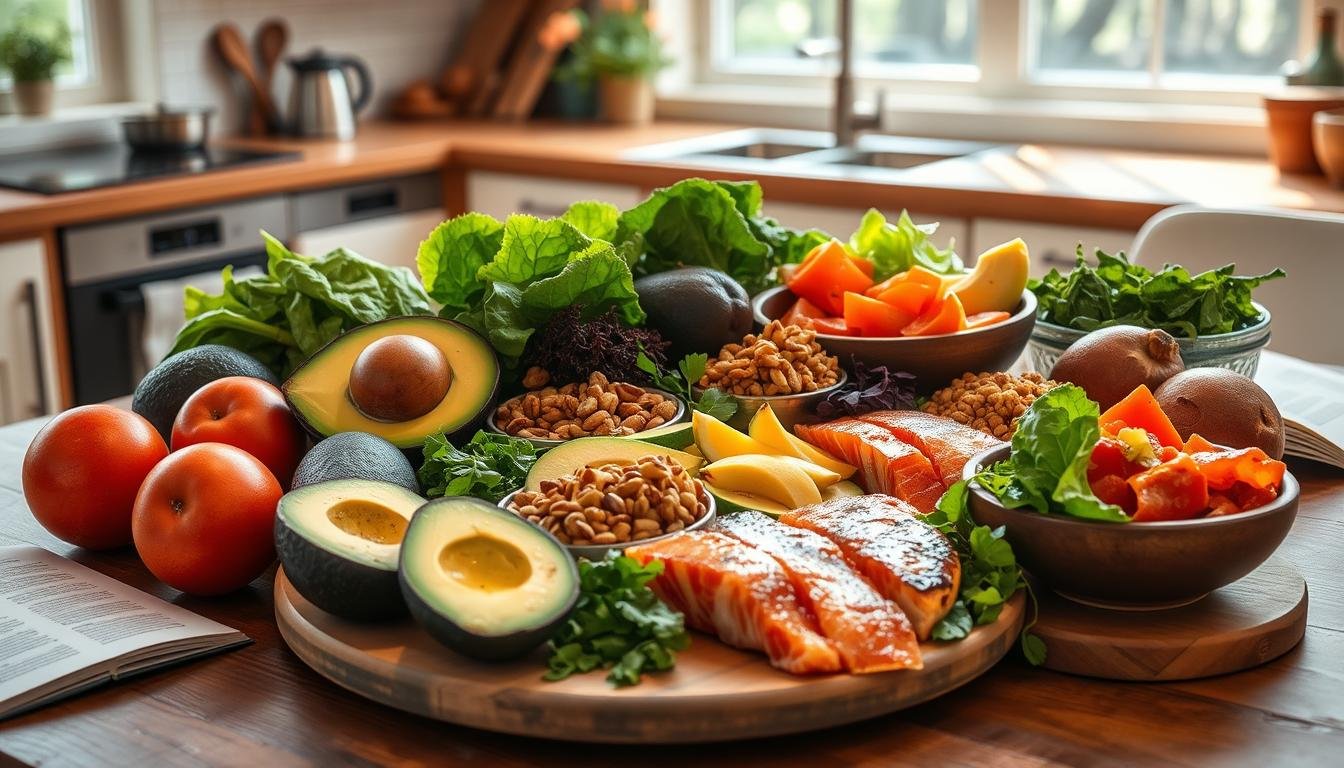
Leafy greens like spinach and kale are keto superstars, providing a wealth of vitamins and minerals while keeping carb counts low. Cauliflower is another versatile Low-Carb Recipes option, which can be riced, roasted, or even used as a pizza crust. Broccoli, zucchini, and bell peppers are also excellent choices to incorporate into your Nutrient-Dense Foods.
Healthy Fats
Fats are the cornerstone of a High-Fat Diet. Avocados, olive, and coconut oil are all fantastic healthy, satisfying fats sources. Don’t be afraid to add butter, ghee, or full-fat dairy products to your meals. These Nutrient-Dense Foods will help you feel fuller for longer and provide sustained energy.
Protein Sources
Ensuring a steady supply of quality protein is crucial on the Keto Diet. Eggs, fatty fish like salmon and tuna, and grass-fed meats are excellent Low-Carb recipe choices. Incorporate a variety of these High-Fat Diet staples to help support muscle maintenance and repair.
By stocking your kitchen with these essential ingredients, you’ll be well on your way to crafting delicious and nutritious Low-Carb Recipes that will power your Keto Diet journey. Experiment with new ways to incorporate these Nutrient-Dense Foods into your meals for a flavorful and satisfying High-Fat Diet experience.
Delicious Keto Recipes for Beginners
Embarking on a Keto journey? Discover a delightful array of Keto Recipes, Low-Carb Recipes, and Fat-Burning Meal Plans to kickstart your weight loss journey. From satisfying breakfasts to savory lunches and dinners, these beginner-friendly recipes will make sticking to your Keto diet a breeze.
Breakfast Ideas
Start your day right with Keto-friendly breakfast options like creamy eggs with avocado, fluffy keto pancakes made with almond flour, or a refreshing smoothie featuring full-fat coconut milk. These nutrient-dense meals will keep you feeling energized and on track with your Keto goals.
Lunch and Dinner Options
For lunch and dinner, indulge in satisfying salads with high-fat dressings, savory zucchini noodles with meatballs, or flavorful cauliflower rice stir-fries. These Keto Recipes and Low-Carb Recipes are not only delicious but also help you maintain ketosis while providing a balanced, filling meal.
Snacks and Desserts
Satisfy your cravings with Keto-friendly snacks like crunchy nuts, creamy cheese, or decadent keto fat bombs. For a sweet treat, explore sugar-free options like keto cheesecake or rich chocolate mousse made with stevia. These Keto Recipes and Fat-Burning Meal Plans allow you to enjoy guilt-free indulgences while staying on track with your Keto journey.
Meal Prepping for the Keto Diet
Meal prepping is a game-changer when it comes to sticking to your Keto Diet Plan. By planning ahead and preparing your meals in advance, you can save time, reduce stress, and ensure you have access to delicious, Fat-Burning Meal Plans that support your Healthy Weight Management goals.
Planning Ahead
Start by mapping out your meals for the week. Focus on batch cooking proteins, such as chicken, beef, or fish, and prepping low-carb vegetables that you can easily reheat or assemble into quick meals. Invest in quality storage containers to keep your prepped ingredients fresh and organized.
Storage Tips
Use airtight containers to store your prepped meals in the refrigerator or freezer. This helps lock in freshness and prevent spoilage. Consider investing in a food scale to accurately measure portions and ensure you’re staying on track with your macros.
Time-Saving Strategies
Utilize time-saving appliances like a slow cooker or Instant Pot to prepare large batches of meat that can be repurposed throughout the week. Pre-chop vegetables and make keto-friendly sauces or dressings in advance to streamline your meal assembly.
By mastering the art of meal prepping, you’ll set yourself up for success on the Keto Diet Plan. Enjoy the convenience of having delicious, Fat-Burning Meal Plans at your fingertips, all while supporting your Healthy Weight Management journey.
Overcoming Common Keto Challenges
Embarking on a Ketogenic Lifestyle can be a transformative journey, but it’s not without its hurdles. One of the most common challenges is the “keto flu,” which can bring on fatigue, headaches, and irritability during the initial adaptation period. To combat this, focus on increasing your electrolyte intake and staying hydrated. Supplements like magnesium, potassium, and sodium can help ease the transition into ketosis.
Staying Motivated
Maintaining motivation is key to your Healthy Weight Management on the Keto diet. Track your progress, join online Ketogenic Lifestyle communities, and celebrate non-scale victories to stay inspired. Remember, the journey is not just about the numbers on the scale, but also how you feel and the positive changes you experience.
Navigating Social Situations
Dining out or attending social events can present unique challenges when following a Ketogenic diet. Research menu options in advance, eat a small Keto-friendly meal beforehand, or offer to bring a dish you can enjoy. Consider combining your Keto diet with Intermittent Fasting to simplify social situations and enhance your results.
By addressing these common Keto challenges, you can stay on track and unlock the full potential of a Ketogenic Lifestyle. Embrace the journey, celebrate your successes, and don’t be afraid to make adjustments along the way. With the right mindset and strategies, you’ll be well on your way to achieving your health and fitness goals.
Tracking Your Keto Weight Loss Progress
Embarking on a Keto diet is an exciting journey towards Keto Weight Loss and improved metabolic state. To ensure your success, it’s essential to track your progress consistently. By monitoring key indicators, you can gain valuable insights into your body’s response to the Keto diet and make necessary adjustments to your plan as needed.
Effective Tracking Methods
Utilize a combination of techniques to track your Keto Weight Loss progress. Body measurements, such as waist, hips, and body fat percentage, can provide a tangible way to gauge your physical transformation. Additionally, taking progress photos at regular intervals can visually showcase your progress over time. Regularly testing your ketone levels using urine strips, breath analyzers, or blood meters can also help you understand your metabolic state and ensure you’re maintaining ketosis.
Understanding Ketosis
Monitoring the signs of ketosis, such as increased energy, decreased appetite, and weight loss, can help you determine if your Keto diet is effectively putting your body into a fat-burning metabolic state. By tracking your ketone levels, you can ensure that your body is producing sufficient Ketone Bodies to fuel your daily activities and support your Keto Weight Loss goals.
Adjusting Your Plan as Needed
As you progress through your Keto journey, be prepared to make adjustments to your plan based on your progress and individual needs. This may involve tweaking your macronutrient ratios, calorie intake, or even incorporating techniques like intermittent fasting. Regular tracking and self-evaluation will empower you to fine-tune your approach and achieve sustainable Keto Weight Loss results.
Incorporating Exercise with Keto
Adopting a Keto Weight Loss lifestyle goes hand-in-hand with an active lifestyle. By incorporating the right exercises, you can amplify the fat-burning power of your Keto diet and achieve your Healthy Weight Management goals. From high-intensity interval training (HIIT) to weight training, various workout strategies can complement your Keto journey.
Best Workouts for Ketogenic Dieters
HIIT workouts are particularly effective for Keto dieters, as they help deplete glycogen stores and promote Fat-Burning Meal Plans. These fast-paced, interval-based exercises keep your heart rate elevated, allowing your body to efficiently utilize ketones and fat for fuel. Strength training is another valuable addition, as it supports muscle growth and recovery while you’re in a state of ketosis.
Combining Keto with Weight Training
When combining Keto with weight training, it’s essential to ensure adequate protein intake to support muscle building and repair. The ideal approach involves engaging in heavy, compound exercises that target larger muscle groups, such as squats, deadlifts, and bench presses. Aim for 5-8 repetitions per set, with 3-4 sets and ample rest periods of 3 minutes between sets to allow your body to perform optimally on the Keto diet.
The Role of Cardio
Incorporating moderate-intensity cardio, such as brisk walking, jogging, or cycling, can also be beneficial for Keto dieters. This type of exercise helps maintain heart health and can contribute to additional calorie burning, further enhancing your Keto Weight Loss journey. The ideal heart rate for fat-burning during exercise on a Keto diet is considered to be between 50-70% of your maximum heart rate.
Success Stories: Real-Life Keto Transformations
The Keto Weight Loss journey is not just about numbers on a scale – it’s about transforming your health, energy, and overall well-being. Inspiring testimonials from real-life keto dieters showcase the incredible potential of this lifestyle. Many report significant weight loss, improved mental clarity, and better blood sugar control after transitioning to a Ketogenic Lifestyle.
Inspiring Testimonials
Take Richard, for example. He lost an impressive 56 pounds in just 120 days after starting the Keto diet. Not only did he achieve his weight loss goals, but Richard also won the U.K. Ultimate Physique Masters championship in 2019 and then went on to win the world championship. His body fat percentage reduced significantly, going from around 50% to a fit physique as a world-class bodybuilder.
Tips from Successful Dieters
Richard credits his success to consistent adherence to the Keto diet, as well as the use of Perfect Keto products like Ketone Base and snacks. Other common tips from successful Keto dieters include planning meals, staying under 30 grams of carbs per day, and finding a support system to stay motivated.
What to Learn from Their Journey
These real-life Keto transformations demonstrate the importance of patience, lifestyle changes beyond just diet, and the value of a supportive community. While the Keto diet may present some initial challenges, such as the “keto flu,” the long-term benefits of Healthy Weight Management and improved overall health can be truly life-changing.

Sustaining Your Keto Lifestyle
Maintaining a ketogenic lifestyle, in the long run, requires strategic meal planning and a willingness to evolve your dietary approach. Develop a repertoire of go-to keto-friendly meals and snacks to ensure variety and consistency in your daily routine. Consider incorporating cyclical or targeted keto strategies, which can be especially beneficial for athletes or individuals struggling with strict adherence to a standard ketogenic diet.
Long-Term Meal Planning
Successful long-term keto adherence involves creating a diverse range of nutritious, low-carb meal options. Experiment with different recipes and ingredient combinations to keep your taste buds engaged and your body well-nourished. Prioritize nutrient-dense foods, such as leafy greens, healthy fats, and high-quality protein sources, to ensure you’re meeting your body’s needs while in a state of ketosis.
Evolving Your Diet
As your health and fitness goals evolve, be prepared to adapt your ketogenic diet accordingly. This may involve gradually increasing your carbohydrate intake, incorporating more targeted carb cycling, or exploring different macronutrient ratios that better suit your current needs. Remain open-minded and willing to make adjustments as you continue on your keto journey, ensuring that your dietary approach aligns with your overall well-being.
Embracing a Balanced Approach
Sustaining a healthy ketogenic lifestyle extends beyond just your dietary choices. Incorporate regular exercise, stress management techniques, and adequate sleep into your routine to support overall well-being. By embracing a balanced approach that encompasses multiple aspects of a healthy lifestyle, you can maintain the benefits of the keto diet while fostering long-term success and vitality.